What Should a Professional Business Website Have in 2026?
The new web standards for 2026: anatomy of a corporate platform with instant loading, perimeter security, accessibility, and a sales-driven focus.
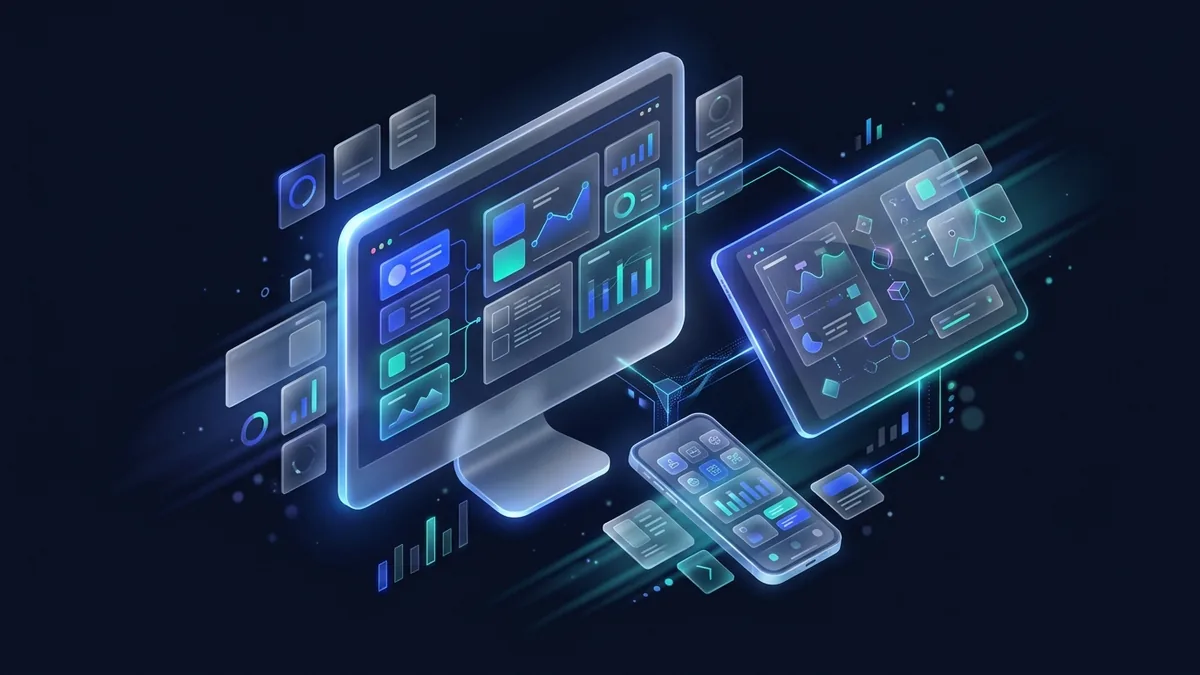
The new corporate standard: from static brochure to living platform
Gone are the days when having a professional website simply meant owning a static digital business card with an "About Us" section, a gallery of compressed photos, and a generic email form. In 2026, a company's website is its most valuable and strategic commercial asset: it serves simultaneously as a reputation showcase, an automated lead-capture channel, a customer service operations hub, and an integration point with the business's core software.
Users—whether end consumers (B2C) or procurement directors and operations managers in corporate environments (B2B)—are accustomed to interacting daily with ultra-fluid apps like Instagram, Uber, Rappi, or modern banking platforms. This everyday exposure to world-class software has dramatically raised their expectations: if they visit a vendor's site and it takes four seconds to load, looks dated, or fails to respond on the first tap, their immediate reaction is distrust and a perception of unprofessionalism.
At Conexión Digital MM's Software Development Team, we build web architectures engineered to exceed global technology industry standards. Below, we break down the essential technical, visual, and operational components every professional business website must include in 2026 to lead its market.
1. Instant load speed and Core Web Vitals optimization
In contemporary web development, speed is a non-negotiable hallmark of quality. A professional website must score above 90 in Google Lighthouse audits and comfortably pass Core Web Vitals thresholds on real mobile devices.
This is achieved by ditching bloated templates and legacy libraries like jQuery in favor of modern, efficient rendering frameworks and libraries (such as React bundled with Vite), strict CSS minification, and next-generation image formats like WebP and AVIF with explicit dimensions to eliminate unwanted layout jumps (Cumulative Layout Shift).
The page must render its critical visual content in under 1.5 seconds, allowing users to start interacting right away without screen freezes.
2. Perimeter security, modern SSL certificates, and data protection
Cybersecurity is no longer a concern exclusive to banks. Any formal corporate portal must project an unshakable sense of protection and reliability. This includes:
3. Universal accessibility (WCAG 2.2 Level AA)
A professional web platform must be usable by everyone, regardless of physical or visual abilities or the devices they use. Designing in accordance with international Web Content Accessibility Guidelines (WCAG 2.2 Level AA) guarantees:
Accessibility is not only an ethical duty and a driver of social inclusion; it is also a factor Google actively rewards in its organic ranking algorithms.
4. Flawless mobile experience and touch ergonomics
Because the vast majority of initial business inquiries happen on smartphones, ergonomic touch interface design is a top priority. Every interactive element (buttons, links, and menus) should have a minimum touch target area of at least 44 by 44 pixels to prevent mis-taps.
Navigation menus must stay clean, with typography readable without pinching to zoom, and forms should automatically trigger the numeric keypad on phones when requesting phone numbers, RUC numbers, or monetary amounts.
5. Seamless omnichannel integration with WhatsApp and corporate systems
A website isolated from the rest of the business loses half of its operational effectiveness. A modern professional website integrates in real time with the company's customer service and management channels:
6. Persuasive copywriting and strategic information architecture
The most stunning graphic design in the world will fail if the website's copy is confusing, dull, or self-centered. The site's narrative must be written from the customer's perspective, not the company's.
Instead of spending five paragraphs talking about "our mission and vision of excellence," your content should immediately answer the client's needs: which concrete problems your service solves, how your workflow operates, what delivery guarantees you offer, and what testimonials back up your track record.
The advantage of building with custom engineering
At Conexión Digital MM, we do not rely on generic prefabricated templates or sluggish visual page builders that bloat your code. We develop every platform as a custom-engineered product, combining premium aesthetics, top-tier technical performance, and direct commercial focus.
A complementary factor every leadership team must weigh is internal staff training. Technology moves rapidly, and having documented processes, clear protocols, and onboarding sessions ensures that digital investments are leveraged to the fullest in daily operations without creating excessive dependence on third parties.
Likewise, continuous monitoring through Key Performance Indicators (KPIs) makes it possible to spot deviations before they turn into financial losses. Establishing periodic reviews of operational and commercial metrics helps maintain strategic alignment between corporate goals and the performance of deployed technological tools.
In the business landscape of Lima and Peru's major regions, organizations that lead the adoption of these best practices achieve notable competitive differentiation over rivals still operating with traditional methods—accelerating response times and building solid, lasting commercial relationships with their clients.
If your company is looking to establish a web presence that matches its corporate goals for 2026, book a call with our engineers and let's design the technology tool that will power your growth.